![Carezza Rainbow Lake is one of many unusual sights to see in Italy. [Image Yomo 13/Flickr]](https://staticr1.blastingcdn.com/media/photogallery/2019/4/3/660x290/b_502x220x82/carezza-rainbow-lake-is-one-of-many-unusual-sights-to-see-in-italy-image-yomo-13flickr_2241389.jpg "Carezza Rainbow Lake is one of many unusual sights to see in Italy. [Image Yomo 13/Flickr]")
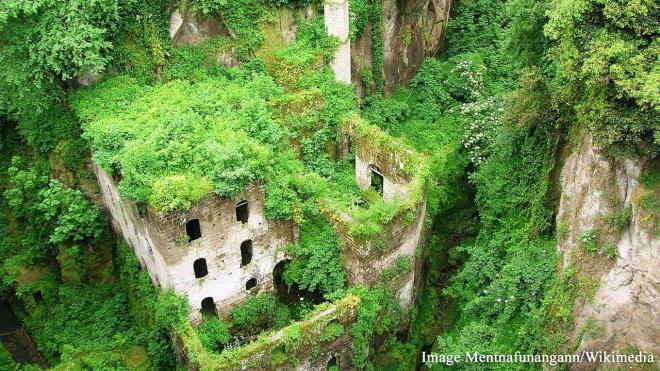
Valle dei Mulini (Valley of the Mills), Sorrento, Italy
The Valley of Mills is a group of ruins at the bottom of a crevasse. The flour mills, some built in around the 13th century, used a stream at the bottom of the crevasse for their work. Eventually, the work was mostly moved to nearby pasta mills, meaning the building became obsolete and are now crumbling since they closed in the 1940s. They are now overgrown by the greenery in the crevasse and resemble the post-apocalyptic films and series we see nowadays.
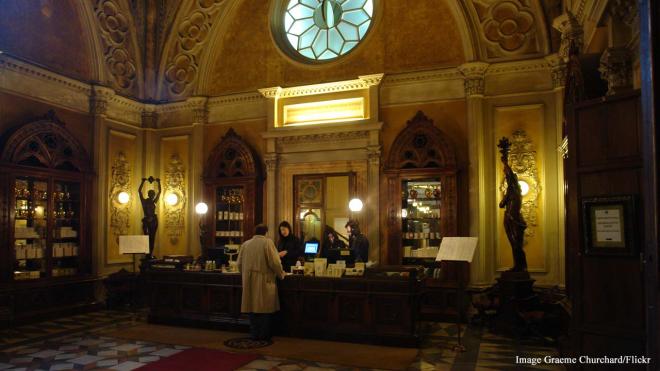
Santa Maria Novella Pharmacy - Via della Scala 16, Florence, Italy
The pharmacy is most likely the oldest, still open and operating pharmacy in the world. It is definitely the oldest in Italy. It first opened its doors in 1221, where the Dominican monks grew herbs to make salves, balms and medicines for their own infirmary. However, their products were so superior, the pharmacy opened to the public in the 17th century. It is still open to this day and uses the same, original recipes.
Lake Carezza - South Tyrol region, Italy
Known as Carezza Rainbow Lake, due to its many shades of colour, the lake has a legend about a beautiful water nymph who lived here. A sorcerer fell in love with the nymph and tried to make her his own and he cast a spell to make a rainbow across the water. However, his plans failed, but the “rainbow” still remains.

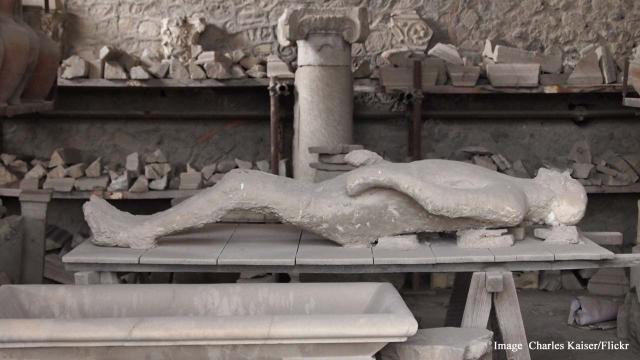
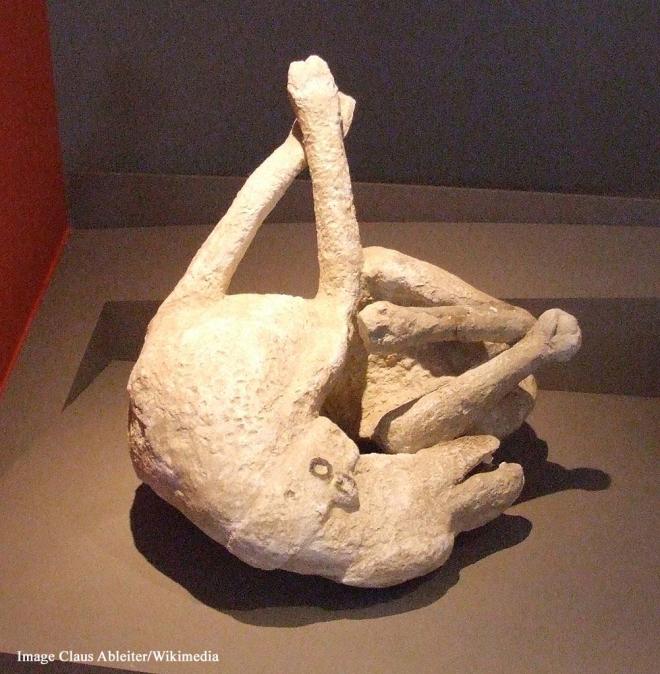
Pompeii and the plaster casts - 8 Via dell’Abbondanza, Pompeii, Italy
When the eruption happened in Pompeii in 79 AD, anyone who had not fled the city was buried under 30 feet of ash and mud. Their skeletons were preserved until excavations began in the early 1800s. Excavators carefully poured plaster of Paris into the skeletons, revealing their final death poses, bringing the people of the city to life. Here we see an unfortunate dog, who even wears a collar like our dogs do today.
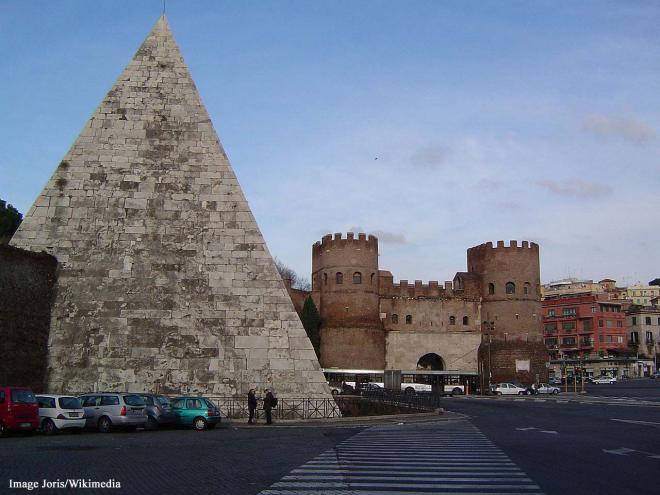
Pyramid of Caius Cestius, Via Raffaele Persichetti, Rome
After the conquest of Egypt in 30 BC, Rome became obsessed with Egyptian artefacts and architecture. There were two pyramids built, but only this one remains. It was originally surrounded by columns and two bronze figures, which are now in the Musei Capitolini. The pyramid was built as the tomb of Gaius Cestius Epulo, a praetor and official of the public banquets in the Poblilian district. Those wishing to enter the pyramid require special permission.