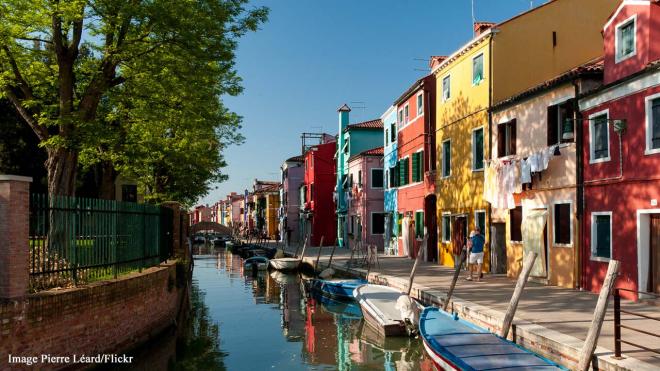
![Venice has many unusual attractions. This one is Burano. [Image Michaela Loheit/Flickr]](https://staticr1.blastingcdncf.com/media/photogallery/2019/3/14/660x290/b_502x220x82/venice-has-many-unusual-attractions-this-one-is-burano-image-michaela-loheitflickr_2226777.jpg "Venice has many unusual attractions. This one is Burano. [Image Michaela Loheit/Flickr]")
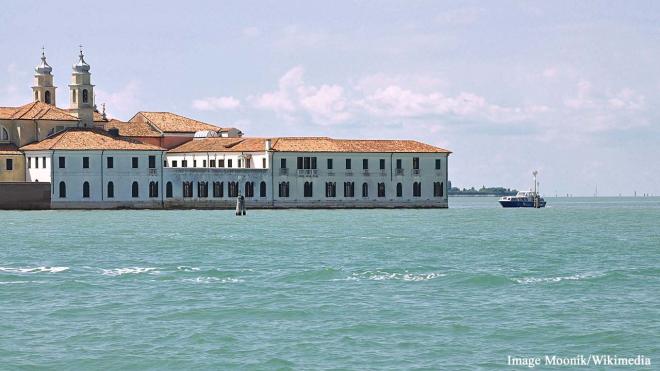
Isola di San Servolo Insane Asylum
Isola di San Servolo was known as the “Island of the Mad,” and was home to an insane asylum from 1725 to 1978. Some 200,000 insane men and women were housed here and few ever got the chance to leave. When it was closed it was made into a museum where the equipment used can be seen as well as photos of patients from 1874 onwards.
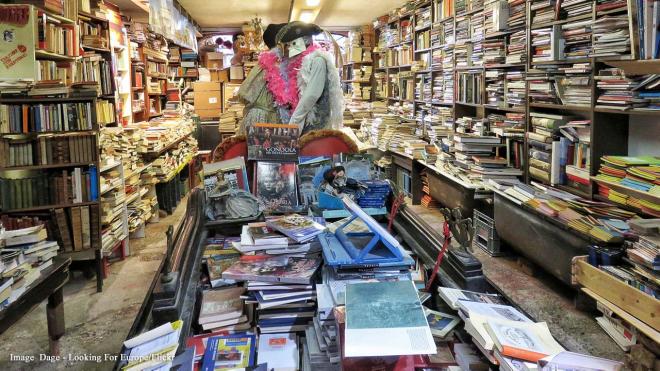
Libreria Acqua Alta (High Water Book Shop)
The owners of the Libreria Acqua Alta book shop couldn’t handle having their books ruined by flooding from rising tides. They made sure the bookshelves were propped higher up from the floor and used bathtubs and boats to store the best books in the shop. One of the rooms has a full-sized gondola filled with books. Stray cats, affected by the floods, tend to hang out in the shop, usually relaxing on the top of the bookshelves.
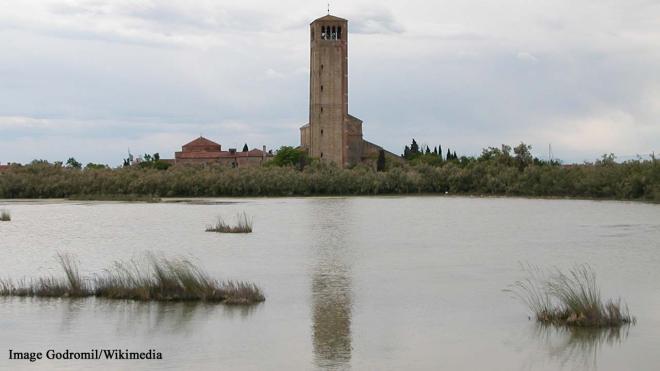
The Island of Torcello
The tiny island of Torcello is located in North Lagoon, Venice and was where originally the city of Venice was formed some 1,500 years ago. Many people used to live there, but nowadays there are only 12 residents who make their living with tourism. Visit the Basilica di Santa Maria Assunta, which dates from 639 AD and has a bell tower which offers visitors an amazing view of the area and beyond.
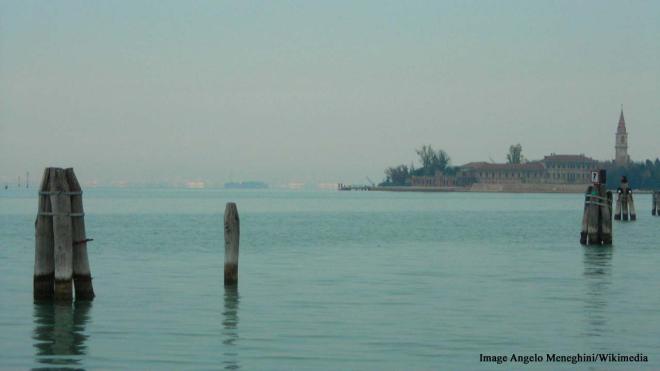
Poveglia Plague Island
Poveglia was used as one of Venice’s plague quarantine stations from 1793 to 1814. It is said to have housed more than 160,000 people who lived their final days there. Napoleon found the island enough out of the way to store weapons, which led to battles and more dead on the island. A mental hospital opened on Poveglia in 1922 but has a horrible history of a doctor torturing and killing his patients. With this sad past, the island is thought to be haunted and many ghost hunters visit there.
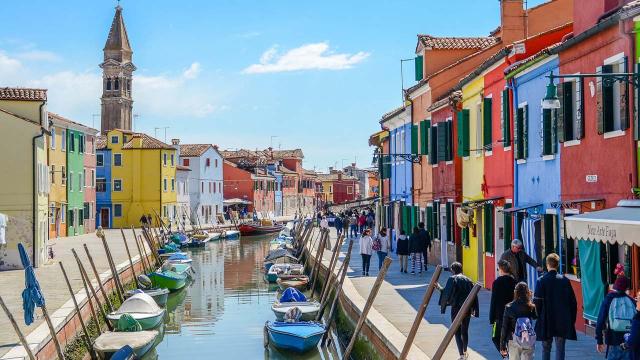
The colourful houses of Burano
On a more cheerful note, the canals in Burano are lined with bright and beautifully coloured houses. This water suburb of Venice covers four small islands, linked by several bridges. The homes have had a bright colour scheme for many years and the area is also famous for its lacework. Visit the Museum of Lace to find out the history of the craft. While photography is not allowed in the museum, the rest of Burano is a photographer’s dream.